
Understanding gambling addiction key signs and support strategies
Understanding gambling addiction key signs and support strategies
Recognizing the Signs of Gambling Addiction
Gambling addiction, often referred to as compulsive gambling, manifests through several telltale signs. One of the most significant indicators is an increased preoccupation with gambling activities. Individuals may find themselves constantly thinking about their next bet or strategizing on how to recover losses, which can negatively impact their daily lives and responsibilities. For instance, exploring Mafia Casino payment methods can quickly lead to distraction from important commitments.
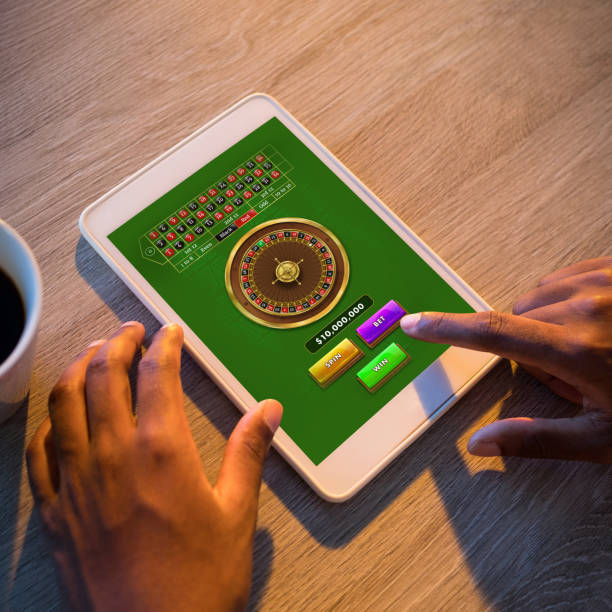
Another prominent sign is the inability to control gambling behavior. A person may attempt to cut back or stop gambling but finds themselves unable to do so, often leading to further financial and emotional distress. This cycle of chasing losses is common among those struggling with addiction, indicating a deeper issue that needs addressing.
The Emotional and Financial Impact
The emotional toll of gambling addiction can be severe. Many individuals experience feelings of guilt, anxiety, and depression as they grapple with the consequences of their actions. Relationships may suffer as secrecy and dishonesty about gambling habits take their toll on loved ones, leading to isolation and distress.
Financially, the repercussions can be devastating. Many individuals find themselves in significant debt, using savings or even taking loans to fund their gambling. This often leads to a vicious cycle where they gamble to regain lost money, leading to further losses and financial ruin. Understanding these impacts is crucial for both individuals and their support networks.
Support Strategies for Individuals
Seeking support is a vital step for those struggling with gambling addiction. One effective strategy is to engage in therapy, such as cognitive-behavioral therapy (CBT), which helps individuals identify and change negative thought patterns associated with gambling. Counseling can provide a safe space to express emotions and develop healthier coping mechanisms.
Support groups, like Gamblers Anonymous, offer a community of individuals who understand the struggles of gambling addiction. Sharing experiences and learning from others can foster a sense of belonging and accountability, making the recovery process feel less isolating and more achievable.
Support Strategies for Families and Friends
Families and friends play a crucial role in supporting someone with a gambling addiction. It’s important for them to educate themselves about the addiction and its effects to offer informed support. Open, honest communication can be beneficial, but it’s essential to approach conversations with empathy and understanding rather than judgment.
Encouraging loved ones to seek professional help is also a critical strategy. Family therapy can help address underlying issues and improve communication within the family unit. Additionally, establishing clear boundaries regarding financial matters can protect family members from the negative impacts of gambling.
Conclusion and Resources
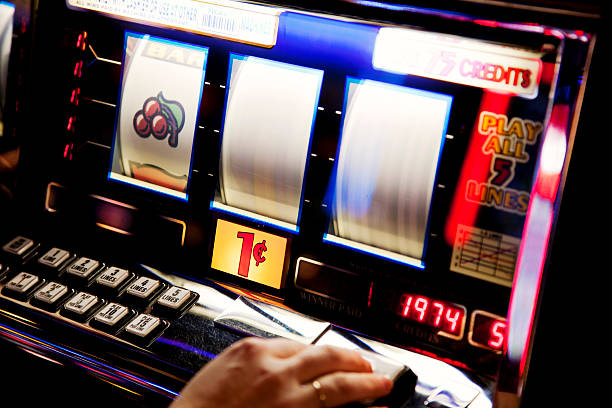
Understanding gambling addiction is the first step toward recovery for both individuals and their support networks. Recognizing the signs and consequences allows for timely intervention and support. Resources like therapy and support groups can provide essential help for those affected.
For more information about gambling addiction and to access a wealth of support resources, it’s beneficial to explore reputable websites dedicated to this cause. Engaging with these platforms can offer guidance, education, and a pathway to recovery for those in need. Remember, seeking help is a sign of strength, and no one has to face this challenge alone.

