
The fascinating journey of gambling From ancient rituals to modern gaming
The fascinating journey of gambling From ancient rituals to modern gaming
The Origins of Gambling
The history of gambling dates back thousands of years, intertwining with various cultures and civilizations. Evidence suggests that ancient Mesopotamians engaged in gambling activities as early as 3000 BC, using rudimentary dice crafted from bones and stones. These early games were often tied to religious rituals, emphasizing the spiritual significance of chance and fate in human life. Today, players can experience the thrill of chance in various ways, including online poker sites, expanding their options beyond traditional venues.

Similarly, ancient Chinese civilizations also practiced gambling with games involving tiles and betting on outcomes. Such practices reveal that gambling was not merely a pastime but a cultural expression of competition and social interaction, contributing to the evolution of communal bonds and recreational activities.
Gambling in Ancient Civilizations
Throughout history, gambling has been embraced by numerous ancient cultures. In Roman times, games of chance were popular among citizens, often played in taverns and public places. The Romans even legislated gambling, regulating its practice to prevent excessive losses and protect citizens from exploitation. This level of governance demonstrates how integral gambling was to societal structure and leisure. Also, the elite in ancient Egypt engaged in similar forms, indicating a widely accepted form of entertainment.
Similarly, in ancient Egypt, tomb paintings depict people engaged in games of chance, suggesting that gambling was prevalent among the elite. The practices varied across cultures but shared common elements: a blend of chance, strategy, and the social thrill that gambling continues to evoke in modern times.
The Evolution of Gambling Through the Ages
As societies advanced, so did the forms and venues of gambling. The Middle Ages saw the emergence of card games, which transformed how gambling was perceived. Unlike dice games, card games introduced elements of skill and strategy, making them more appealing to diverse audiences. Gambling halls began to appear, providing regulated spaces for individuals to indulge in their pastimes.
The Renaissance period marked another significant shift, with the introduction of gambling houses in Europe, where people could gamble on various games and events. This era laid the groundwork for modern casinos, emphasizing luxury and exclusivity, leading to the notion of high roller experiences that are celebrated in today’s gaming establishments.
Modern Gambling and Technology
Today, the gambling landscape has been revolutionized by technological advancements. The advent of the internet gave rise to online gambling platforms, making it accessible to a global audience. Virtual casinos offer everything from classic table games to innovative slots, attracting players who prefer the convenience of gaming from home.
Additionally, advancements in mobile technology have further transformed the industry, allowing individuals to engage in gambling activities on their smartphones and tablets. This accessibility has fostered new demographics of players and a surge in popularity, making gambling a staple of contemporary entertainment.
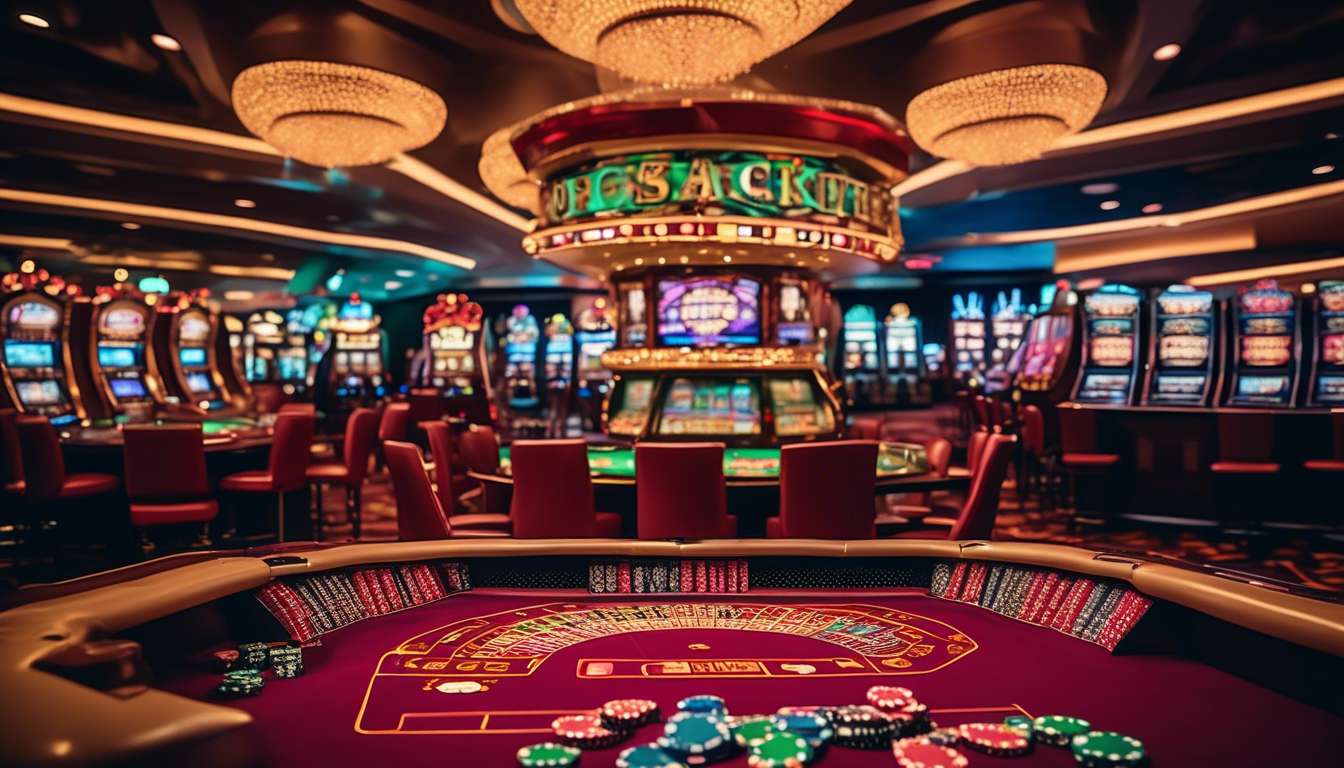
Ensuring Safety in Online Gambling
As the online gambling industry expands, ensuring a secure environment for users has become paramount. Websites implementing robust security measures protect players from potential threats and maintain the integrity of the gaming experience. Many platforms utilize advanced encryption technologies and secure payment methods to safeguard personal and financial information.
Communication between users and site owners is essential in resolving access issues or concerns, highlighting a commitment to customer support. By prioritizing user security, online gambling platforms aim to create a trusted atmosphere where players can enjoy their favorite games without fear, fostering a community built on fairness and transparency.

